
Building Self-Esteem In and Outside of Relationships
Self-esteem is often talked about as though it is something we either naturally have or permanently lack. But self-esteem is not simply confidence, positive thinking, or learning how to “love yourself” all the time.
At its core, healthy self-esteem is the ability to maintain a steady sense of worth and identity — even when facing rejection, disappointment, conflict, insecurity, failure, or vulnerability.
And for many people, relationships become one of the primary places where self-esteem struggles surface.
A text goes unanswered and anxiety spirals.
Conflict feels unbearable.
Criticism feels devastating.
Reassurance never fully lasts.
Disconnection quickly becomes self-doubt.
Many people find themselves asking:
“Why do I lose confidence so quickly in relationships?”
“Why does my self-worth depend so much on how my partner responds to me?”
“Why do I feel okay alone sometimes, but insecure in intimacy?”
“Why do I need so much reassurance?”
“Why do I abandon myself to keep connection?”
These are deeply human questions.
Self-esteem is often relational

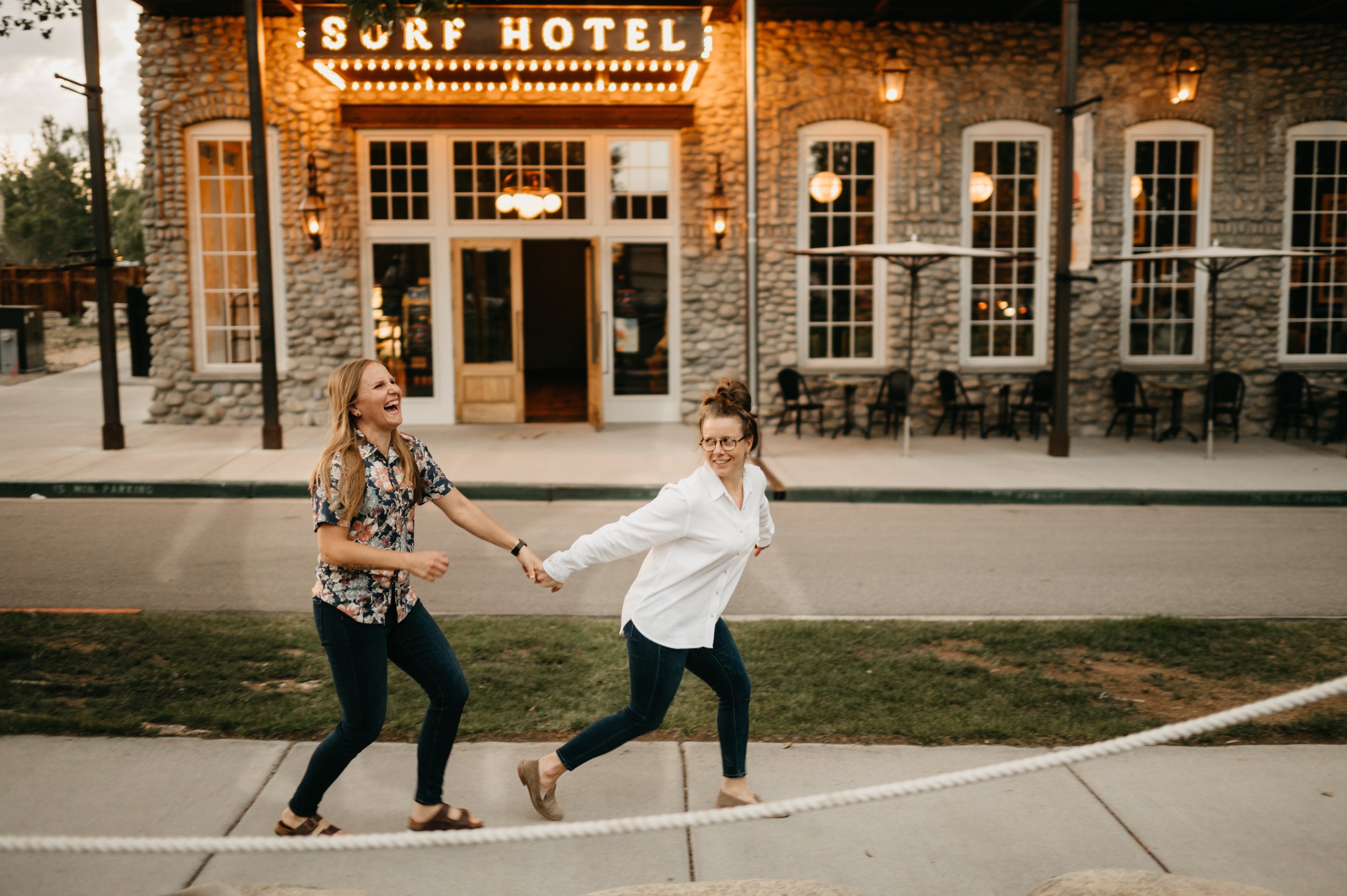

Many people think self-esteem develops in isolation — but our sense of self is profoundly shaped through relationships.
Early attachment experiences, family dynamics, social environments, trauma, bullying, rejection, identity-based shame, religious messages, and past relationships all influence how we come to see ourselves.
Over time, people may internalize beliefs such as:
“I am too much.”
“I am not enough.”
“I need to earn love.”
“My needs are a burden.”
“If someone pulls away, it means I am failing.”
“Conflict means rejection.”
“I have to perform, achieve, caretaking, or accommodate to be valued.”
These beliefs often become most visible in intimate relationships because relationships naturally activate vulnerability, attachment, and the desire for connection.
Relationships cannot fully repair self-worth for us
One of the hardest truths about self-esteem is that even deeply loving relationships cannot permanently resolve internal insecurity.
A healthy relationship can absolutely support healing. Feeling loved, valued, respected, desired, and emotionally safe matters deeply. But if self-worth depends entirely on external validation, reassurance often begins to feel temporary.
This can create painful cycles where:
reassurance is constantly needed but never fully absorbed
criticism feels catastrophic
boundaries feel threatening
conflict feels emotionally destabilizing
self-worth fluctuates based on the emotional state of the relationship
people over-accommodate to avoid abandonment or disconnection
Over time, relationships can begin carrying the impossible responsibility of regulating someone’s entire sense of worth and stability.
This is not because someone is “needy” or broken. Often, it reflects attachment wounds, emotional survival strategies, and the very human longing to feel chosen, safe, and valued.
Building self-esteem inside relationships
Healthy relationships can become places where self-esteem grows — not because partners eliminate insecurity, but because the relationship creates opportunities for honesty, boundaries, vulnerability, repair, and authenticity.
Building self-esteem within relationships may involve:
expressing needs honestly instead of suppressing them
tolerating disagreement without collapsing into shame
allowing yourself to be seen authentically
setting boundaries without excessive guilt
learning to self-soothe during moments of insecurity
tolerating uncertainty without immediate reassurance-seeking
recognizing that conflict does not automatically equal rejection
remaining connected to yourself while staying connected to your partner
This is closely tied to differentiation — the ability to maintain a sense of self while remaining emotionally connected to others.
Differentiation helps people move from:
“I only feel okay if the relationship feels okay”
toward:
“The relationship matters deeply to me, but I can remain grounded in myself even during discomfort.”
Building self-esteem outside relationships
Self-esteem also grows through the relationship we build with ourselves outside of romantic partnership.
This often involves learning:
self-trust
emotional regulation
self-compassion
boundary-setting
identity development
emotional resilience
autonomy
community connection
purpose and meaning outside relational validation
For many people, this means grieving the belief that external validation alone will finally create lasting worthiness.
And this can feel painful.
Especially in a culture that often teaches people to measure their value through productivity, desirability, achievement, relationship status, appearance, or how emotionally needed they are by others.
Real self-esteem is often quieter than people expect.
It may look like:
speaking honestly even when uncomfortable
recovering from rejection without losing yourself entirely
tolerating imperfection
trusting your own emotional experience
allowing yourself to take up space
making decisions aligned with your values
being compassionate toward yourself during failure or insecurity
no longer abandoning yourself to maintain connection
Therapy and self-esteem work
In therapy, self-esteem work often goes far beyond simply trying to “feel more confident.”
It may involve:
understanding attachment wounds
exploring shame and inner criticism
identifying relational patterns
processing trauma or rejection
developing boundaries
increasing emotional regulation
challenging perfectionism and people-pleasing
building self-trust
reconnecting with identity, desire, and authenticity
For many people, therapy becomes a space to slowly untangle the belief that their worth must constantly be earned through performance, caretaking, achievement, or external approval.
Because healthy self-esteem is not about becoming someone who never feels insecure.
It is about becoming someone who can experience insecurity, vulnerability, rejection, or conflict without losing their entire sense of self in the process.
If you are curious to continue the conversation around self-esteem and what healing could look like for you, please sign up for a free 20 minute consultation with the button below. I believe in you and your healing journey.
Photography by: Love and The Lake Photography